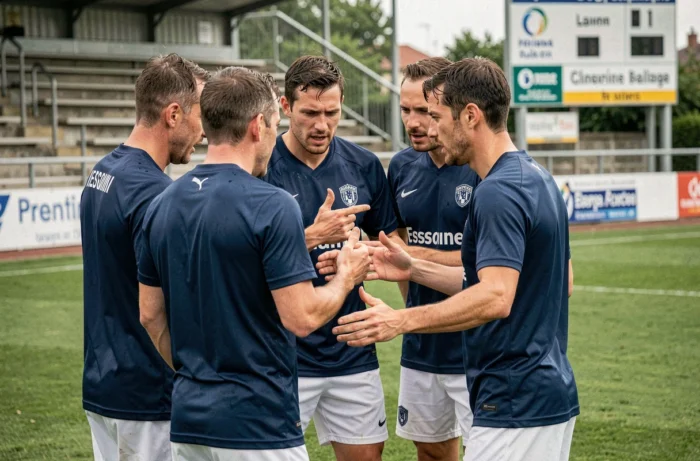
District 91, attached to the department of Essonne, organizes amateur football in an area rich in clubs and players. Its mission goes beyond simple championship management: it structures talent detection, educator training, support for leaders, and dialogue between local associations and the French Football Federation.
Reform of women’s pre-training in Essonne: what changes concretely
The 2026-2027 season marks a turning point for Essonne clubs that support young female players. The FFF has established a clear separation between women’s pre-training at the middle school level (U13F-U15F) and training in professional club centers at the high school level.
Specifically, a U13F player identified in a club in district 91 can now follow a structured pathway to the high level without leaving the area starting from middle school. Before this reform, moving to a distant structure often happened too early, discouraging families and depriving local clubs of their best talents.
For educators and leaders of Essonne clubs, this means rethinking local talent detection. The district must coordinate the monitoring of identified players, organize scouting events, and ensure communication with high-level pre-training structures present in the area. Understanding how district 91 football operates helps to grasp how this connection between local clubs and the federal pathway is established.
The FFF also plans for a strengthening of women’s training centers by 2026-2027, with a stated goal of around ten centers across the national territory. Clubs in Essonne that invest in female coaching could benefit from this enhanced network.
District 91 football: role of commissions and support for clubs
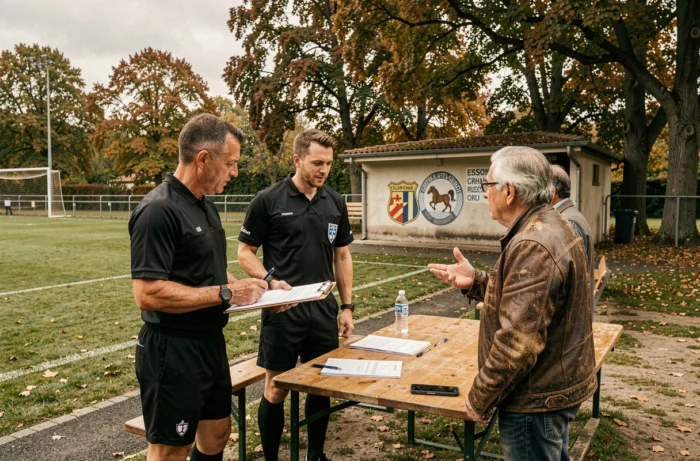
Are you wondering how a district manages several hundred clubs in a single department? The answer is one word: commissions. Each one deals with a specific area (discipline, fields, refereeing, youth, women’s football) and makes decisions that apply to all affiliated clubs.
The Essonne district has implemented several concrete measures over the past seasons:
- A club endowment fund, aimed at financially supporting development or improvement projects put forward by local associations.
- The 4000 Balls operation, which provides equipment directly to clubs to facilitate training, especially in youth categories.
- Sector meetings, organized by geographical areas, to create a dialogue space between the district and club leaders. These meetings allow for the reporting of field difficulties (access to facilities, lack of referees, coaching issues).
- A welcome program for new club presidents, to support their transition into office and convey the basics of associative management within the federal framework.
This administrative network may seem cumbersome from the outside. In practice, it ensures that each club has an identified contact at the district to resolve disputes, ask regulatory questions, or report infrastructure problems.
Educator training: a structured calendar
District 91 publishes a training calendar each season for educators and facilitators. These sessions cover various levels of federal diplomas and are organized directly in the Essonne area.
For a club, having trained educators is a prerequisite for accessing certain competition categories. A club that fields a U13 team, for example, must have a qualified supervisor. The district plays a facilitative role here by offering accessible sessions, without requiring volunteers to travel outside the department.
New pyramid of amateur football and impact on seniors in Essonne
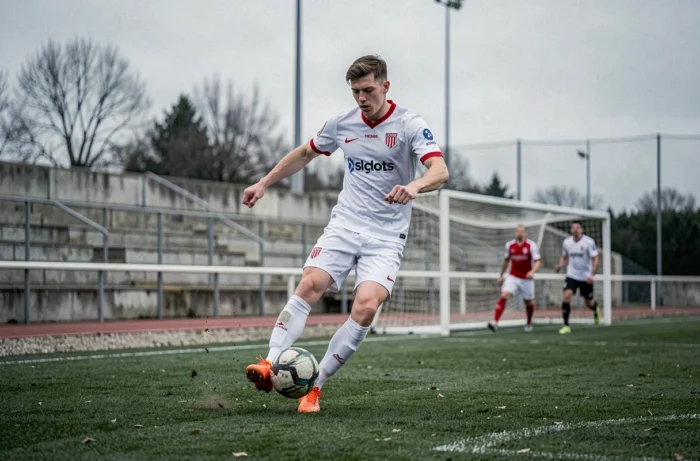
The restructuring of the amateur football pyramid, initiated by the FFF for the 2026-2027 season, modifies the architecture of championships above the district level. National 1 and National 2 adopt a new format that has cascading repercussions on regional and departmental championships.
Why does this concern senior clubs in Essonne? Because promotions and relegations between levels are recalibrated. An Essonne club competing in the senior departmental division sees its promotion prospects altered by the number of spots available at the regional level, which is itself conditioned by the new national architecture.
The district 91 must adapt its own general calendar accordingly. The start and end dates of the championship, cup phases, catch-up days: everything is rescheduled to align with the Île-de-France League calendar and that of the FFF.
Senior clubs aiming for promotion must anticipate these changes from their summer preparation. The general calendar for 2026-2027 of the district, published on the official website, details the key deadlines.
Fields and infrastructure: the silent constraint of district 91
Essonne is a contrasting department. The northern municipalities, close to the Paris metropolitan area, often have dense sports facilities. Further south, towards Val d’Orge or Brétigny, access to fields remains a recurring point of tension between clubs and local authorities.
The district does not own the facilities. It relies on municipalities for the allocation of time slots and maintenance of pitches. When a synthetic field is in poor condition or a changing room no longer meets standards, it is the club that suffers, but it is often the district that acts as a mediator with the local authority.
The sector meetings mentioned earlier also serve this purpose: to identify infrastructure black spots and escalate alerts to the relevant public contacts. An isolated club facing its town hall has less weight than a district that represents the voice of several dozen associations in the same area.
The issue of fields directly conditions the number of teams a club can enter into competition. Without sufficient time slots, it is impossible to register an additional team in youth or women’s football, even if the numbers allow it. This is a concrete barrier to the development of amateur football in Essonne that only calendars and regulations cannot resolve.