When talking about French athletes who make history, we often think of the same names featured in Olympic records. The instinct is logical, but it masks a broader reality: journeys are also built far from federal spotlights, on club fields, mountain trails, or neighborhood gyms. These paths, sometimes late, sometimes winding, tell a different story than just the accumulation of medals.
Outdoor pathways and atypical sports journeys in France
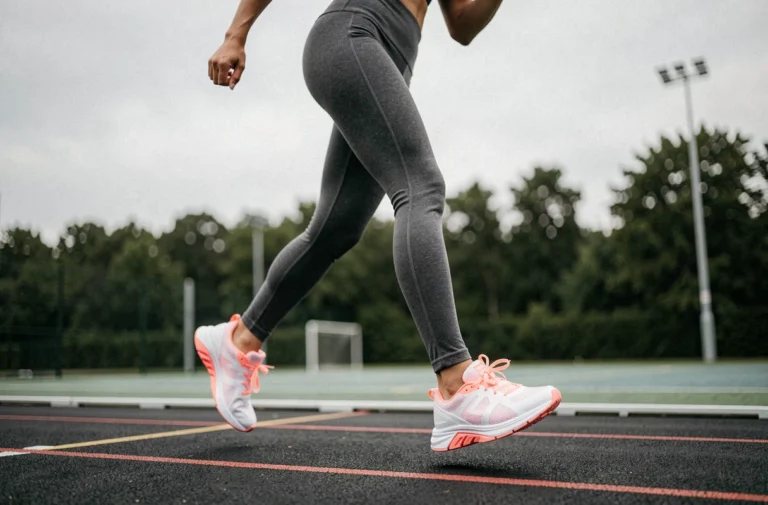
Outdoor sports practice has seen significant growth in France over several seasons. Trail running, cycling, paddleboarding, open water swimming: these disciplines attract profiles that did not grow up in traditional federal structures. We see employees in career transitions taking up ultra-trail running after a few years of running, retirees winning titles in the masters category, and thirty-somethings moving from Sunday running to multi-day raids.
This boom in outdoor sports is reshaping pathways to high-level competition. The traditional pathway (club detection, hope center, French team) is no longer the only route. Athletes are coming through parallel avenues, often after a first professional career, and end up representing France in international competition. Feedback varies on this point, but several federations have begun to adapt their selection criteria to include these latecomer profiles.
Detailed resources on these unique journeys can be found, notably on lesherosdusport.com, which documents the paths of French athletes beyond just the media-highlighted records.
Sports dropout among teenage girls: a reality that weighs on female pathways
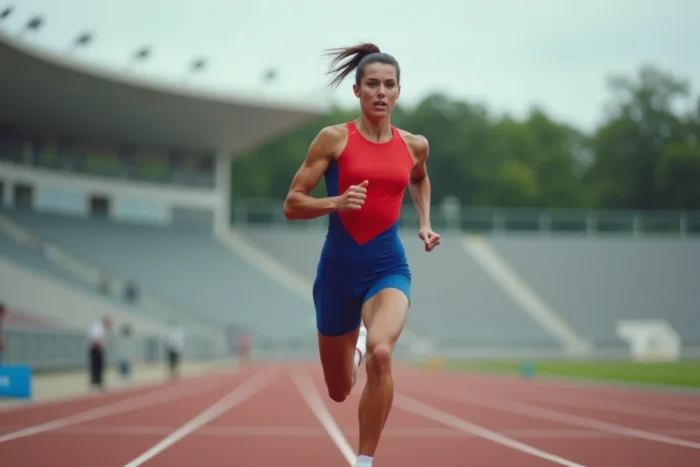
Nearly half of teenage girls drop out of sports before their fifteenth year in France. This figure, reported by several institutional studies, poses a concrete problem: inspiring female pathways remain underrepresented because the pool shrinks massively during adolescence.
On the ground, the causes are known to coaches and club officials. Academic pressure, lack of suitable changing rooms, absence of visible role models in certain disciplines, training schedules incompatible with public transport. The issue is not a lack of talent, but a lack of infrastructure and support at the right time.
French female athletes who succeed despite these obstacles have a doubly significant journey. In judo, handball, fencing, athletics, those who reach the top often went through a period where they were the only girl in their training group. Maintaining female sports practice during adolescence changes the course of history.
What clubs can do concretely
- Offer time slots reserved for teenage girls with trained female coaches, to alleviate the pressure of mixed-gender participation in certain combat or field disciplines
- Establish a mentoring system with local female athletes (not necessarily at a high level) who maintain the connection during critical years
- Adapt competition calendars to avoid systematic conflicts with exam periods
French athletes and commitment beyond competition
An inspiring journey is not just about a record. In France, several athletes have made history through their commitment off the field. We think of figures in football, judo, or handball who have used their visibility to champion social causes, create foundations, or fund equipment in underprivileged neighborhoods.
What distinguishes these journeys is their rootedness in local practice and grassroots work. The athlete who returns to their home club to coach young people, the one who funds the renovation of a municipal gym, the one who advocates for access to sports for people with disabilities: these actions extend the sports career into a collective dimension.
French sports have also produced remarkable journeys in the Paralympic disciplines. Athletes with disabilities who access international competitions face multiple constraints: accessibility of training sites, limited funding, low media coverage. Their journey requires operational resilience that records alone do not convey.
Transition of high-level athletes: an often-overlooked angle
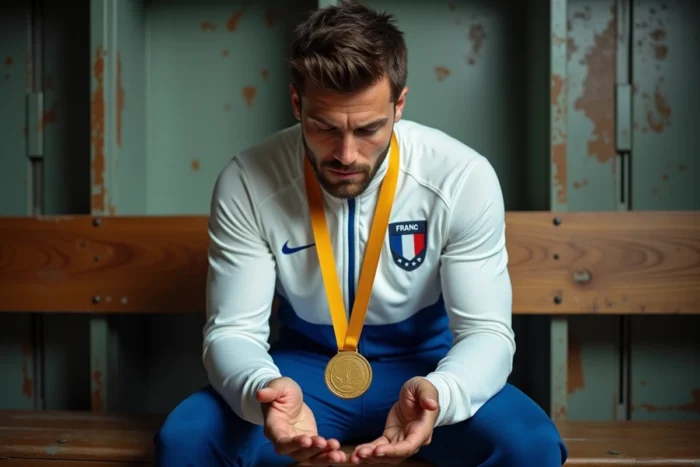
The end of a career remains one of the most challenging moments for a high-level French athlete. Professional transition after sports is a journey in itself, rarely anticipated and often abrupt. The body has been the main working tool for one or two decades, and the transition to another profession requires support that not all federations provide.
Some former athletes turn to coaching, training, or sports commentary. Others return to studies, start businesses, or get involved in club management. The most inspiring journeys are often those where the former competitor reinvests their expertise in a related discipline, like a former judoka becoming a physical trainer in rugby or a former swimmer transitioning into biomechanics research.
Concrete barriers to transition
- A level of education sometimes interrupted early, with diplomas to validate after the sports career
- A professional network limited to the sports circle, which does not automatically transfer to the business world
- An identity built around physical performance, complicating the projection into another role
- Variable institutional support depending on federations and disciplines
French athletes who make history are not just those who step onto a podium. They are also those who transform a competitive career into a lever for future generations, on the field as well as off. The journey does not end with the last time or the last medal.