The free time of the French has significantly increased since the 1980s, but the way it is occupied has transformed even faster than its duration. Since the Covid-19 pandemic, digital leisure activities (streaming, video games, creative social networks) are among the most regularly practiced activities, according to the Barometer of French Leisure published by Harris Interactive and Funbridge in 2023.
At the same time, the rising cost of living is pushing a growing segment of the population towards so-called frugal leisure activities: libraries, free museums, geocaching, municipal events. Between these two poles, a range of practices deserves to be examined with a factual perspective.
Micro-leisure in daily life: what positive psychology research says
Several research syntheses in positive psychology and neuroscience, compiled between 2022 and 2023, highlight a finding that changes the way we view free time. Incorporating micro-leisure activities of 5 to 15 minutes into the day (gratitude journaling, guided breathing, mini-walks) significantly improves markers of stress and rumination, even among very busy professionals.
This approach contrasts with the common belief that a leisure activity must last at least an hour to have an effect. A ten-minute reading session, a few lines written in a notebook, or a breathing exercise are enough to interrupt the cycle of mental tension accumulated during work.
Field feedback varies on the most effective format: some people benefit more from a short physical activity, while others prefer a creative moment. Exploring leisure activities on the La Règle du Je website allows for identifying activities suitable for short time slots, without expensive equipment or long-term commitments.
Frugal leisure: an economic choice that has become a lifestyle
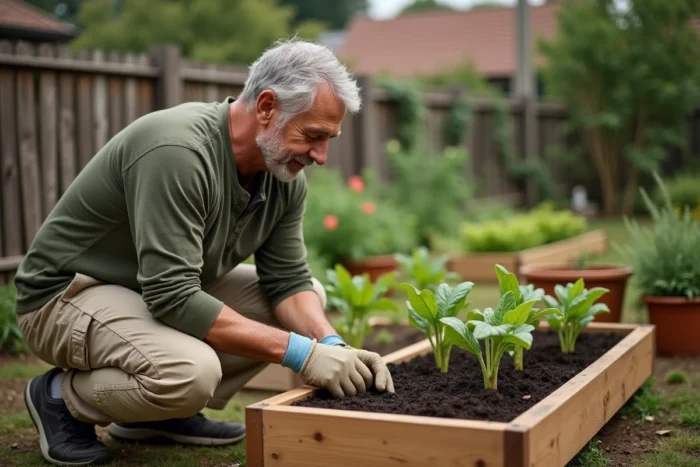
Surveys conducted by UFC-Que Choisir and 60 Millions de Consommateurs since 2022 document a clear trend. Frugal leisure is no longer a Plan B but a deliberate choice for a significant portion of the population, who seek to limit their expenses while maintaining an active social life.
Among the most cited practices:
- Municipal libraries, whose offerings now go beyond book lending (board games, vinyl records, musical instruments in some cities)
- National museums on their free admission days, which attract an audience far beyond regular visitors
- Geocaching and home escape games, which turn a budget-free weekend into a collaborative adventure
- Municipal events (workshops, guided hikes, outdoor screenings) often unknown to the residents themselves
This movement is not just about financial constraints. Several participants interviewed in these surveys describe an increased pleasure when leisure requires ingenuity rather than a credit card payment.
Digital leisure and creativity: real progress or an illusion of practice
The Harris Interactive/Funbridge 2023 Barometer confirms that digital leisure has seen a clear increase since the pandemic. Video games, streaming platforms, and creative social networks like TikTok hold a dominant place in daily life.
The question arises regarding the nature of this practice. Does watching painting tutorials on YouTube or scrolling through cooking videos on TikTok count as creative leisure or passive consumption? The available data does not allow for a definitive conclusion. However, platforms that incorporate a participatory dimension (creative challenges, maker communities, online workshops) seem to generate more sustainable engagement than mere viewing.
Offline activities: a measured return
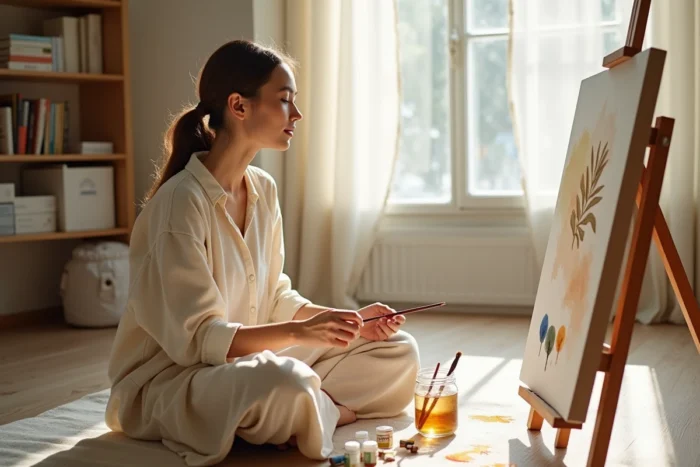
In the face of screen saturation, a segment of practitioners is returning to manual activities: embroidery, modeling, pottery, bookbinding. These physical leisure activities engage procedural memory and fine motor skills, two dimensions that are little stimulated by digital activities. Workshops in residences or third places are multiplying, driven by a demand that is not limited to seniors.

Volunteering and engagement: evolving forms
Studies by INJEP and DARES document a continuous decline in traditional associative volunteering since 2020. Weekly meetings and annual commitments are losing ground to more occasional and digital forms: online micro-volunteering, fundraising via apps, collaborative contributions to open-source projects.
This shift raises a fundamental question about the social dimension of leisure. Traditional volunteering created local anchorage, intergenerational bonds, and a structuring routine. New forms of engagement offer flexibility, but field feedback varies on their ability to produce the same sense of belonging.
Sport and physical activity: beyond the club
Sports practice remains one of the most cited leisure activities by the French, but it is fragmenting. The club model with an annual license now coexists with coaching apps, outdoor sessions organized via social networks, and urban sports (street workout, parkour) that require no registration.
This diversification broadens access to sports but complicates monitoring and supervision. For senior audiences or those returning to physical activity, the choice between guided and autonomous practice deserves reflection that goes beyond the simple question of cost.
- Free apps offer structured programs, but without postural correction or real-time adaptation
- Municipal classes provide qualified supervision at a reduced rate, often underused due to lack of awareness
- Informal groups (running clubs, yoga in the park) combine free access and social connection, with variable regularity depending on the seasons
The choice of a daily leisure activity relies less on a list of activities than on an honest understanding of one’s constraints: budget, available time, need for social connection, tolerance for screens. A leisure activity practiced regularly, even for ten minutes a day, produces measurable effects on well-being. The hardest part is not finding an activity but allowing oneself to engage in it without feeling guilty about the time it takes.